In this 52 week urban homesteading series, we look at ways that our family and others like us can live lower-waste lifestyles without ample time, money, or space.

Zero waste is a movement gaining momentum quickly. Despite its popularity in some niches, it can be overwhelming for the normal people out there. Like many households, my family is concerned about green living and our impact on the planet. Despite this concern we have similar constraints to many other American families – not excuses, but very real constraints like limited time, money, and space. We read urban homesteading and green living blogs but lack the resources to make dramatic change.
In addition, green living often requires a great deal of emotional labor. There was a time when I composted and sewed my own clothing, but now I work full time and often don’t have the emotional or physical energy for “the simple life.” Is there a way to make a zero waste lifestyle less extreme?
Am I living the dream?
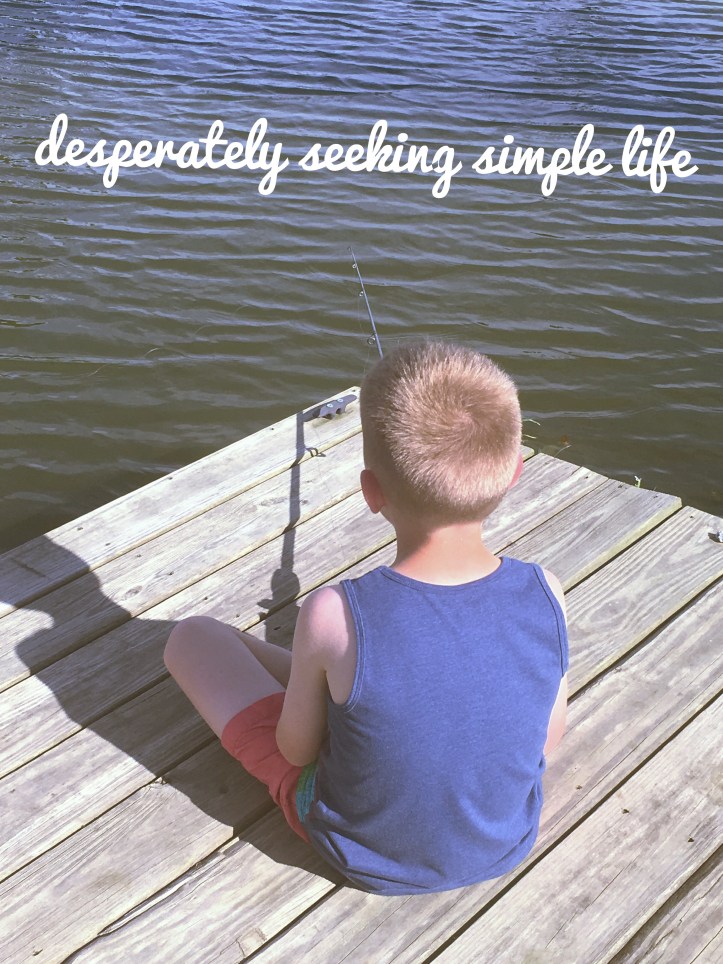
When I picture my best life, it is not an existence full of waste or consumerism. Owning a quaint zero waste home with solar panels and a backyard full of chickens and raised beds feels like a solid plan for Future Me, but Today Me lives in an apartment and works 80 hour weeks. I love to look at zero waste products, but they are often out of my budget.
I have been waiting for my life to be at a place where a complete lifestyle overhaul is easier, which has led to a long, gradual backslide in medical school and residency. I want to be better – I feel I can be better – if I make changes at a slow and steady pace.
My project for this year is to make 52 small changes to my life and evaluate whether they are sustainable from a time and money standpoint. Our hope is that they cumulatively lead to a greener, lower-waste life.
Accessible, affordable, easy
Zero waste lifestyle changes are often framed as a journey for people in rural areas, people with vast financial privilege, and those without full time jobs or families. Despite this, I believe that my family can find ways to do better. Our 52 week plan will have a few caveats:
- Eco-friendly living and social responsibility should not be an expensive, consumerist endeavor so I won’t be spending more this year on drawers full of zero waste products. In fact, I plan to spend a great deal less
- All projects will be done in our limited space, which is under 160 sq ft per person with a very small additional balcony
- Sustainable change means sustainable on a lifestyle level as well, using time and space proportionate to the benefit. We are forced to be mindful of emotional and physical labor in our journey because these are precious
- Zero waste should make our lives simpler rather than more complicated
- Our helpless household citizens (ie kids and cats) shouldn’t feel deprived or unhappy in our zero waste home
- Not all of my changes will be good options for all people, and that is okay. I know I am privileged in many ways, which is why it is important for me to do my part
- Plastics will still be a part of our home life to some extent because they currently exist in my home. Rather than throwing them away, I plan to reuse them to the greatest extent and avoid acquiring new plastic, gradually transitioning to more eco-friendly materials
Zero waste living for real people

I am in that intermediate space where beginning advice is not right for me but advanced advice feels extreme. I already recycle, shop at thrift stores, and reuse as much as possible. In addition, I am a minimalist due to limited budget and space. Nonetheless, I am confident that I can make 52 small changes this year. I not only can, but I should. I have a social responsibility. I will not end this year perfectly zero waste but hope to be improved, with a lot of insight and zero waste tips to share.
We are ready to do better. And we want to share this journey in all its composty glory with you.
 KidsCatsandFlannel