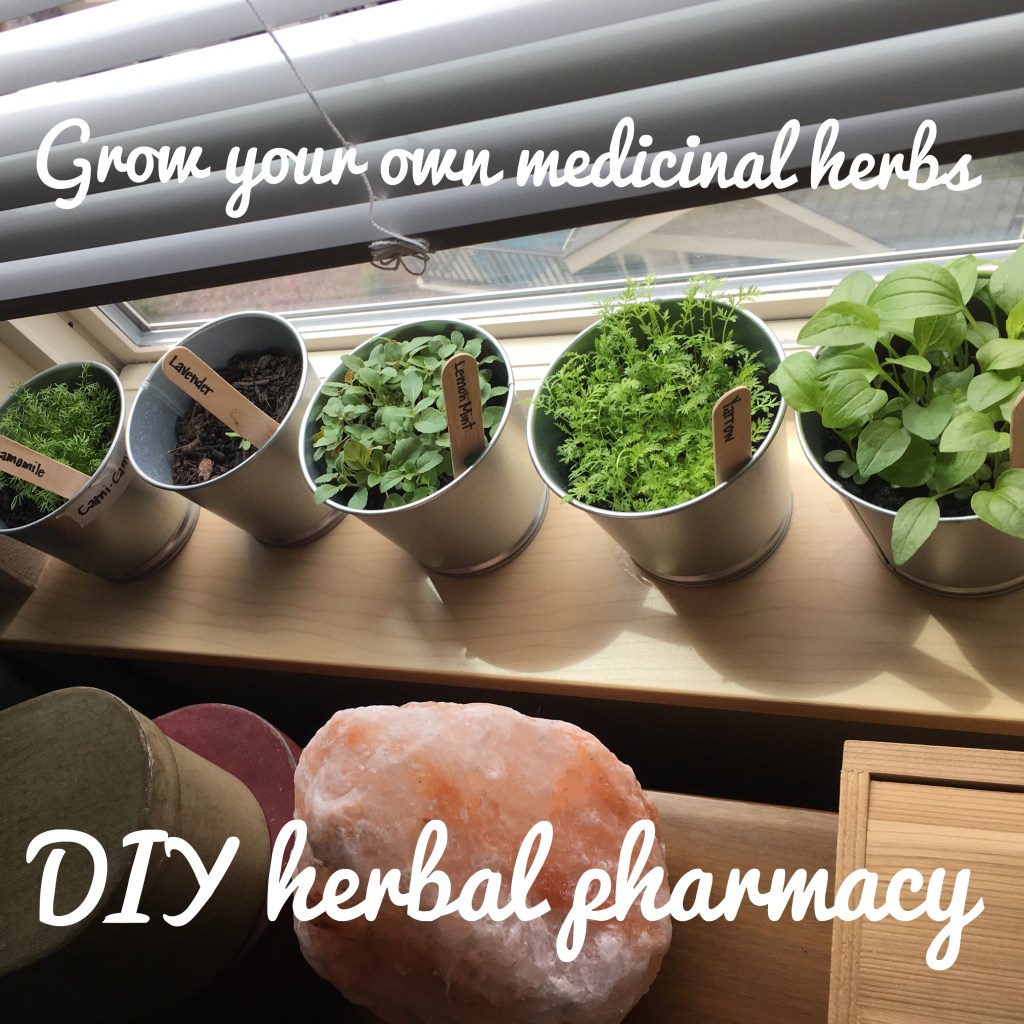
I spend most of my days in an evidence-based medical environment. However, there are a few anecdotal home remedies that have been part of my life since childhood. Although there is little evidence behind things like chamomile and elderberry syrup, they are low-risk and comforting to me.
This post is not intended to be medical advice; you should be getting that from your health care provider. Instead, I’d just like to show off the ways I am building a homegrown herbal pharmacy as part of my zero waste and urban homesteading plan.
Herbal tea: The classic hippie home remedy
There are a few old-timey remedies that I enjoy using in my home. We go through a shocking amount of chamomile and lavender tea. The combined taste and scent with a little raw honey are perfect for nights when my children or I cannot fall asleep.

Lemon mint, echinacea, and slippery elm bark are my favorite teas when I have a cold or cough. Although growing slippery elm requires more space than I currently have, any “herbal pharmacy” for my home needs to include lemon mint and echinacea.
Last, we use two main topical remedies in my home. Aloe is our go-to for mild burns and rashes, while salve made with beeswax and yarrow is my favorite home remedy for bruises and minor scabs.
Do I have the space for this?
There are challenges to any kind of zero waste activities in a small apartment. However, the plants used in herbal teas and other home remedies are aesthetically pleasing, with flowers that add ambience to your space.

Natural remedies are expensive and it is difficult to find them in zero waste packaging. It makes sense to grow my own.
Nonetheless, there are a few challenges. I have a well-known “brown thumb” and can kill anything green. I have been working on this throughout my lifetime but it remains a challenge. I also do not have a yard, so I have to choose carefully what to grow. We already keep a garden that takes up much of our front porch, providing a lot of our produce in the summer months.

I decided to use a windowsill for my herbal adventures. I chose my sunniest window, the one in my bedroom that faces west, for my herb garden. Exposure to the south is ideal for gardening but that isn’t available to me currently.
Because space is limited, I had to choose wisely. I decided to invest my time and space in the herbs that are easiest to grow.
Chamomile and lavender, either alone or in combination, are the perfect remedies for aromatherapy when my children or I cannot sleep. In a house full of night owls, we go through a lot of these gentle teas and stock up whenever it is on sale. Luckily, both are easy to grow as long as you have enough sun. I am hoping these plants can make it through the winter, although it may require grow lights.
Traditionally used for sore throat and cough, lemon mint has a tingly soothing feeling that stops late night coughs. The steam of a hot cup of tea also can be useful for congestion. The taste is exactly as the plant’s name suggests.
My mother insists that I take echinacea and elderberry syrup in the winter as well as a few vitamins like zinc and vitamin C. You’ll never stop a mom from worrying and my immune system can use all of the help it can get! I normally take echinacea capsules so I’m not sure how the tea tastes. I will have to try this tea before deciding how to best use my harvest.
Grown in metal or pottery containers, these plants are the ultimate hippie home decoration: natural, useful, and aesthetically pleasing. I plan to harvest leaves from these plants as often as possible without affecting their ability to grow, drying them in batches on the porch in the sun. I am not sure what quantity we can expect, so I may end up buying extra.
Homemade topical treatments
There are two final plants that I need in my herbal pharmacy: yarrow and aloe, my two favorite topical remedies. Yarrow is traditionally used as an anti-inflammatory. I used to get a yarrow salve from a hippie friend for scrapes and bruises as well as the eczema that plagues us in the winter. I have always heard that you should not put yarrow on burns or rashes, so I use aloe for those issues. Aloe seems to grow well in bathrooms so it’s not included in my window garden.
I am still looking at recipes for yarrow salve, although this one seems like the simplest option. We do not go through this quickly, so I anticipate having plenty to share and gift.
Is this an affordable zero waste project?
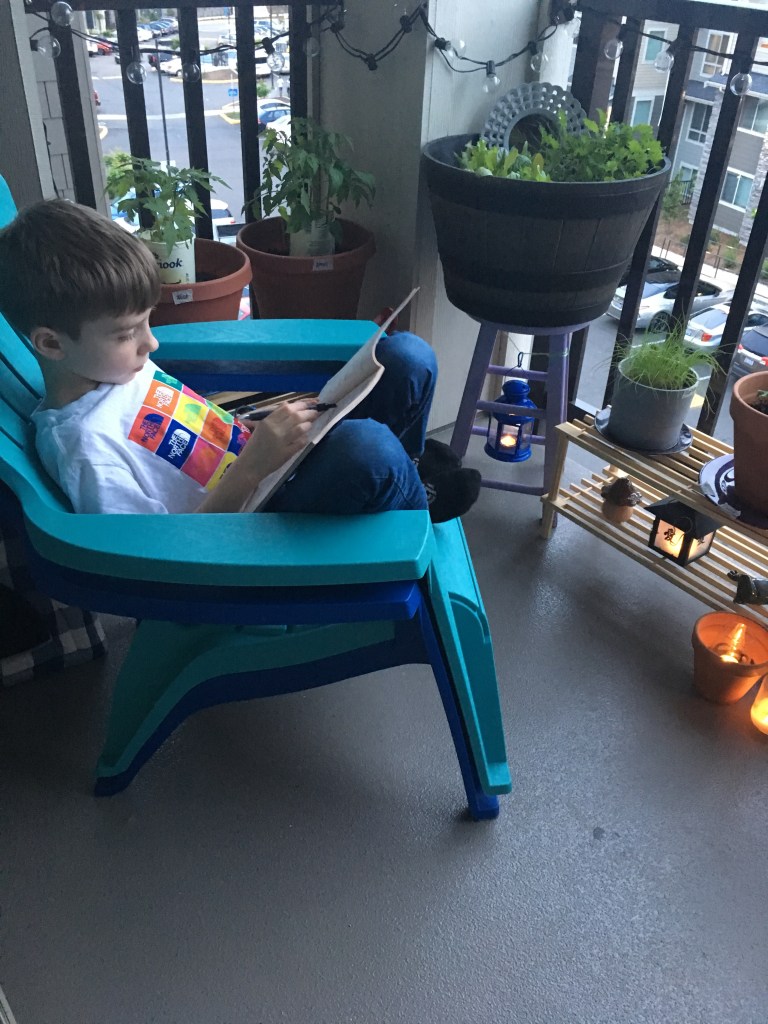
I started this garden from seed in March, with the seeds costing approximately $15. My plants are growing like mad and will need to be separated and repotted ASAP. I have plenty of room on my windowsill for more pots to accommodate this. If I can get all of these plants to grow, it will be a significant savings for me. So far they are thriving, a minor miracle considering my history with plants.
We already garden, so watering a few more plants is not a significant investment of time. It was initially time-consuming to plan our garden as a whole, carve out the space, and start the plants; now, it adds just a few more minutes to the daily household chore routine. My kids love tending the plants and are so proud every year when we can start enjoying the proceeds of our labor.
As for whether these remedies work, I have found them to be effective. This may be partially the placebo effect and partially the nurturing feeling of sitting down with a hot cup of tea, but I embrace any safe and low-cost remedy that helps our minor symptoms.
Whether this is worth it will ultimately depend on your own herbal usage. It’s been a fun and useful zero waste project in my home!
 KidsCatsandFlannel