If you are squeamish about bodily processes, you should stop reading here.
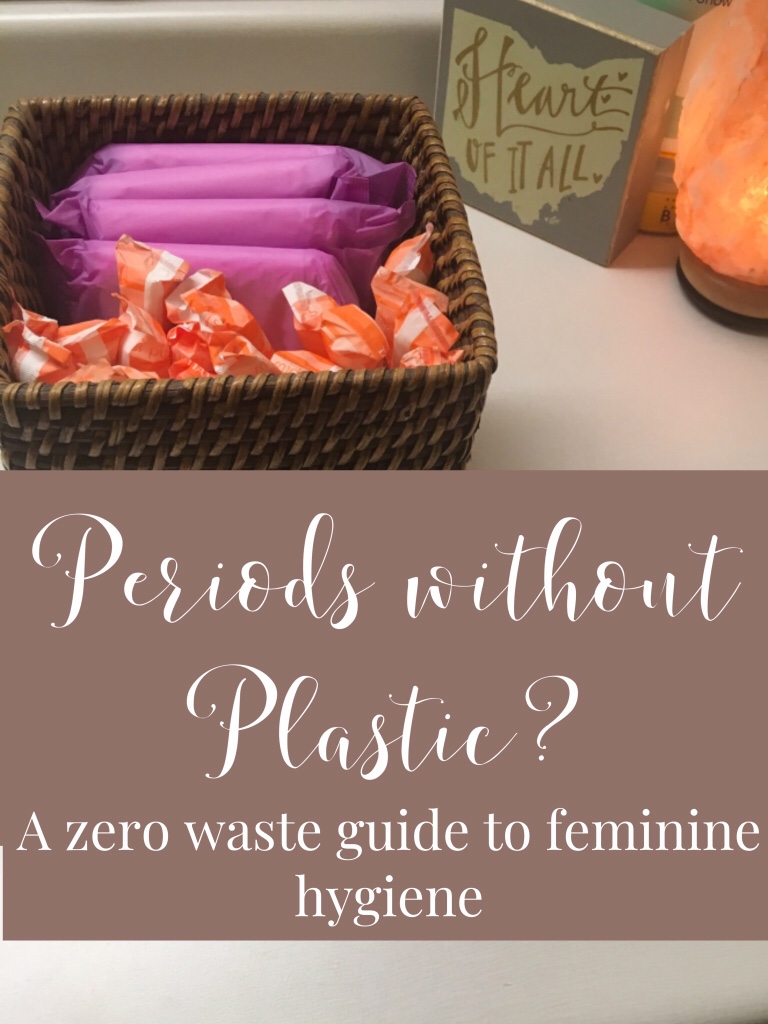
I am reluctant to discuss personal issues on a public blog, but I made a zero waste change this spring that has been amazing both for the planet and my body. I changed to using a menstrual cup instead of tampons and pads.
When nature calls…
Menstruation is as natural as can be, but it also is a huge inconvenience to many modern people. Supermarket shelves are filled with a variety of hygiene products to allow us to keep on keeping on regardless of the time of the month.
Although these products are life-changing for people who have access to them, they do create a fair amount of waste. Much of this waste will be polluting landfills for centuries to come.
The average menstruator will go through between 5,000 and 15,000 tampons and pads in their lifetime. Globally, we use about 10 billion tampons and pads a year, which will each take around 500 years to decompose under ideal conditions.
In my case, I knew that my periods were bad for the environment. However, it is difficult for many people to change up their routine once we find one that works. Due to various health issues, my periods are a nightmarish bloodbath. We’re talking that scene in The Shining. You know the one.

I took out endless bags of bathroom trash during that one week a month so I knew this was not zero waste in any way. However, I did not see an alternative.
Menstrual cups and other zero waste period options
I began experimenting with zero waste period supplies about a decade ago, mainly to save money on the endless boxes of pads, tampons, and liners needed for smooth sailing through shark week. I started with making several cloth pads out of an old black t-shirt.
The pads were comfortable but I could not take them anywhere. After all, no one wants a purse full of bloody wads of jersey at the end of the day. In addition, they were incredibly bulky. I used them as a back-up at night when my flow was heaviest but continued to use conventional supplies during the day.
I’ve wanted to try menstrual cups and period underwear for a while, but they are very expensive to experiment with. I hesitated for the better part of a decade because I was worried that I would end up spending $50 on supplies that did not work for me. When I received my stimulus check this spring, I decided to take the plunge.
Choosing the right products
Different menstrual cups have different features and come in a variety of shapes and sizes. In addition, some are softer while others are firmer. I took a quiz here but the recommended cups were very expensive or not available. I ended up buying the Athena cup, which at $15.95 on sale was the cheapest option. I bought it in black so I would not have to worry about discoloration.

There are a variety of period underwear on the market. I went cheap with these as well, choosing a two-pack of Evawear black hipsters that was just $29.95.
But do they work?
I was initially afraid to use these. As a resident physician, I work long hours. A 13-hour shift is hard enough with a cup that is uncomfortable or just does not work for my body and my flow. I was not sure whether I could trust the online reviews so I waited until a day off to test-drive my new system at home.
And it worked.
It worked so well. My first day off with my zero waste supplies fell on the heaviest day of my cycle, a day when I am lucky to make it an hour between bathroom visits even with super plus tampons and a pad for backup. I emptied my cup every 2-3 hours and it did not overflow even once. In addition, it was so comfortable that I did not even know it was there when it was inserted properly. The cup has been such a success that I immediately started using it exclusively and have done so for the last three months. That’s right: I literally have not used a single tampon since trying my cup.
The period underwear, on the other hand, have not been such a success. I intended to use them as back up and on lighter days. However, they fall far short of a disposable pad. I estimate that they absorb about as much as a panty liner before turning soggy and leaking. In addition, they are intensely uncomfortable when damp and feel like you are wearing a wet diaper. When dry, however, they are much more comfortable than a pad or liner.
Simplifying your monthly cycles
My menstrual cup has made my periods immensely easier. It used to be an ordeal keeping enough tampons on my person and also finding time for almost constant bathroom visits. No matter how inconspicuous I tried to be, I was embarrassed fetching tampons and pads out of my purse in front of male residents and attendings. Keeping them in my scrub pockets also was more conspicuous than I prefer. I also felt weird about taking so many bathroom breaks. When rounds lasted longer than usual, I sometimes needed multiple bathroom trips in a morning. While we are all doctors, there are biological processes that I don’t feel like sharing with the rest of the team.
With a cup, I simply pop into the bathroom every 2 – 3 hours and empty it, rinse, re-insert. That’s enough time for team rounding on most days. No filling my scrub pockets with crinkly plastic, no walking around with a wad of cotton between my thighs. I use the period panties as back up on heavier days and keep an extra pair in my purse just in case. I no longer think about my periods all day for 5-7 days a month. That is change I can believe in.
My body, my planet
I initially made this change because I wanted to reduce my footprint on the planet. However, I will continue using it because it works so much better than disposable products. My cup is more comfortable and holds more volume than tampons. Why would I ever go back?
The logistics are simple: I rinse my cup in tap water when I empty it. After my period ends, I boil it and then put it back in its cotton pouch in my bathroom drawer.
The period underwear have not been such a success. They are definitely not as absorbent as a pad, which is okay now that I don’t need as much back-up. I may try other brands in the future to see if they work better.
My cup and period panties initially seemed like a sizeable financial investment compared to disposable products. However, I used to spend $10-15 a month on supplies so I have broken even just three months in. It’s all savings from here! In addition, I no longer need to empty my bathroom trash every few days during that time of the month. This system is better for the planet and better for my lifestyle.
P.S. While I have the privilege of clean water and other supplies needed to make zero waste feminine hygiene supplies work for me, many people around the globe and even in the United States do not have the same privilege. Please donate tampons and pads to food banks and homeless shelters in your area, where they are desperately needed.
 KidsCatsandFlannel