Grocery costs are skyrocketing, and it’s no secret that a lot of people are struggling to make ends meet at the checkout. We’ve all seen the sticker shock at the grocery store as prices rise for everything from fresh produce to dairy and meats. A lot of Americans are making hard choices to keep healthy food on the table. But what if I told you there are ways to eat well, stay healthy, and spend less without sacrificing quality or variety?
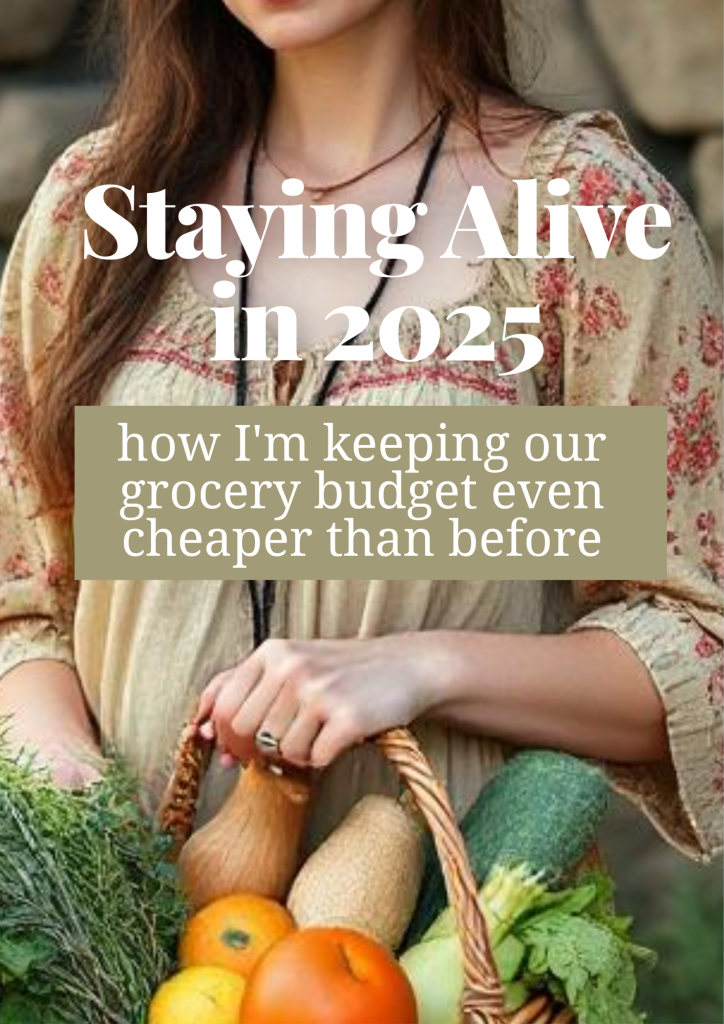
Every month, the USDA releases an estimated cost of groceries per person, based on gender, age, and different food plans. For December 2024, the USDA’s “Thrifty Food Plan,” which represents the bare-bones, minimum cost of food for a family, estimates a total of $1055.80 per month. That’s assuming you’re eating in for every meal and sticking to the essentials.
When I first looked at this, I thought we’d be closer to the high end of that spectrum. I am one of the cheapest people I know, but we live in a high-cost-of-living area and like to eat well. I’m a fan of organic products when they offer good value, and we enjoy a wide range of fruits, vegetables, and specialty ingredients. From blood oranges to avocados to spices from around the world, I choose food that is flavorful, vibrant, and diverse. We also enjoy lots of snacks and specialty drinks, which is something many people cut back on to save money.
But here’s the twist: In 2024, we spent between $150-$200 per week on groceries. Yes, you read that right. That’s less than the USDA’s Thrifty Plan, and we’ve managed to cut it even lower in 2025 despite soaring food prices. Just last month, I spent less than $400 on food, including $55 for gardening supplies and about $25 for food and supplies for our chickens. As I write this in late February, I’ve spent under $285, including a big monthly shopping trip.
We’re spending roughly half of what the USDA considers the cheapest possible grocery budget without cutting corners on quality, flavor, or variety. So, how are we doing it? Well, after some careful reflection, I’ve pinpointed a few key strategies that have helped us keep costs low. Here’s a look at what we do differently from most people.
1. Waste Nothing
Food waste is a huge problem in the U.S. In fact, the average American family wastes nearly 30-40% of their food, which means a significant portion of your grocery bill could be going down the drain. That’s something I simply can’t afford, and I make sure that we waste as little as possible.
To minimize waste at home, I do a brief inventory of our pantry, fridge, and freezer twice a week. It takes less than two minutes, but it helps me keep track of what needs to be used up. Overripe fruit can be baked into muffins or frozen for later use in smoothies, while wilting vegetables can go into soups, stews, or quiches, or also be frozen for later use. Leftover bones? Instead of heading for the trash bin, they go into a “scraps bag” in the freezer so they can become delicious, homemade bone broth.
While this helps, the real trick is being mindful of waste even before the food gets to your home. Recently at a work function, there were huge pans of leftover rice, beans, and condiments after a catered Mexican meal. Since the office was closing for the weekend, the food would go to waste by Monday. I took it home and turned it into dinner that night and lunch the next day. It’s about being aware and taking advantage of food before it gets tossed.
2. Grow Something
I didn’t always live on a rural property. Before moving to our current place, we lived in a tiny fourth-floor apartment in Seattle, with a north-facing balcony that barely got any light—hardly ideal for gardening! But I made it work. I focused on growing a few herbs, like basil and chamomile, that were expensive to buy and would make a bigger impact in our limited space. I also experimented with growing sprouts right on the kitchen counter.
Now that we live on a larger property, I’ve expanded our garden to include vegetables, berries, and other foods that my family loves to eat. It’s amazing how much we can grow with just a little effort and space, and it’s helped us save a lot of money on fresh produce. Plus, gardening is a great way to connect with nature and enjoy the fruits of your labor.
3. Forage
Did you know that some of the best food out there is free for the picking? If you live near parks, hiking trails, or even have a backyard, there’s likely food just waiting to be turned into your family’s groceries. I forage dandelion greens, rosehips, and even camellias from our own yard. If there is a local park or forest near you, there are likely edible wild plants you can harvest there.
Foraging isn’t just about saving money; it’s about reconnecting with the land around you and taking advantage of the natural abundance all around you. Just be sure to learn what’s safe to pick and eat, and always be respectful of nature.
4. Become an Ingredients Household
Instead of focusing on pre-packaged meals or highly processed foods, I’ve transformed our kitchen into an “ingredients” household. That means buying basic, whole foods that I can turn into a variety of dishes. Grains, beans, lentils, potatoes, and root vegetables become the foundation of many meals.
We also focus on buying in bulk, which saves money and reduces packaging waste. Rather than purchasing pre-made items, we take the time to cook from scratch. Sure, it takes a little more time and effort, but it’s worth it. Not only does it save money, but it also allows us to create meals tailored to our preferences, using fresh ingredients.
5. Eat More Vegan Whole Foods
I love a good steak or roast chicken as much as the next person, but we’ve significantly cut back on animal products in favor of vegan, whole foods like beans, rice, lentils, and grains. These foods are not only budget-friendly, but they’re also nutritious, versatile, and can be made into a wide range of delicious dishes.
Eating more plant-based meals doesn’t mean we don’t enjoy our food. In fact, it opens up a world of flavors from different cuisines that are often centered around vegetables, legumes, and grains. Plus, beans and rice—staples in many cultures—are filling and inexpensive.
Final Thoughts
By being mindful of waste, growing and foraging our own food, buying simple ingredients in bulk, and incorporating more plant-based meals into our diet, we’ve been able to dramatically lower our grocery costs without compromising on quality or taste. The key is to be resourceful, creative, and focused on sustainable practices that are both good for our wallet and the planet.
If you’re struggling with rising grocery costs, try implementing just a few of these strategies in your own life. It might take some time to adjust, but in the end, you’ll be able to eat well, spend less, and feel great about it. Here’s to staying alive in 2025—and doing it frugally, sustainably, and deliciously!
 KidsCatsandFlannel