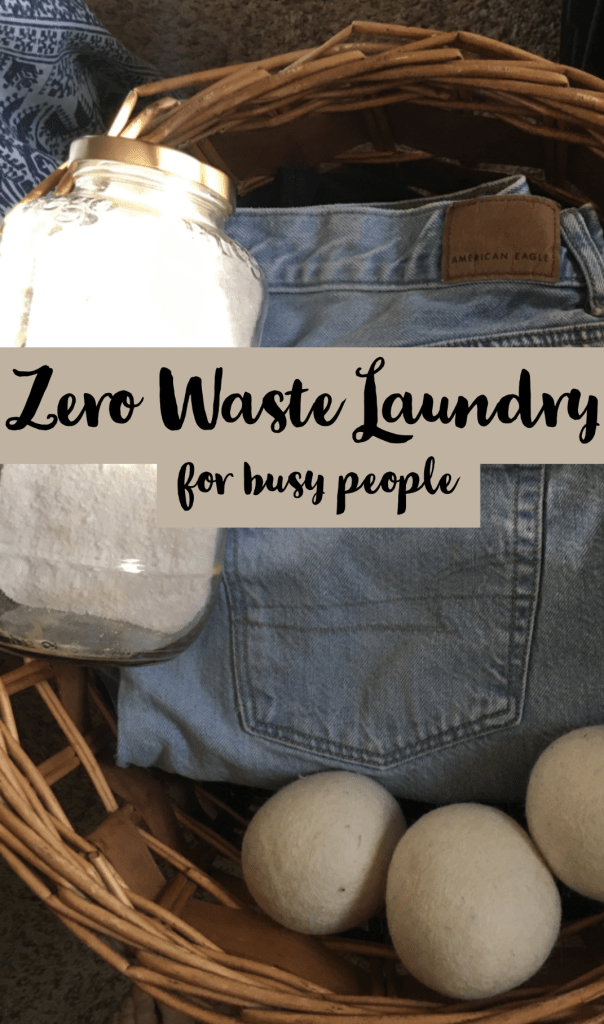
Laundry is one of the most salient chores and one of the most common sources of frustration among parents. Many people live with the looming pile of folding on the couch or in a basket in the corner. There are a variety of products that make the process less stressful and overwhelming, but many of these come with a steep environmental cost.Is your laundry routine bad for the environment? Laundry is a modern necessity; you won’t make it far in life with unwashed, smelly clothes.
However, modern laundry does have a great deal of negative environmental impact. Even “green” laundry soaps tend to come in plastic containers. These can be reused in a variety of ways and often are recyclable, but it’s generally best to not create a demand for new plastics. Conventional laundry detergents contain ingredients that many hippie types may find objectionable, while the green brands tend to be expensive. I’ve tried soap nuts but didn’t feel they got my clothing clean enough.
DIY Laundry Detergent Recipe
Making DIY laundry detergent is often viewed as an advanced skill but it is actually very easy and takes just a few minutes. I have always preferred liquid laundry detergents so I initially tried several of these. However, I found them to be time consuming and messy so I eventually tried a dry recipe.
The recipe that we have been using for the last two months is incredibly simple and easy: 2 parts grated soap to one part washing soda and one part Borax. It’s an easy ratio to remember and very economical. Many sites recommend Dr. Bronner’s or fels naphtha soap but I usually use plain paper-wrapped soap from the Dollar Store.
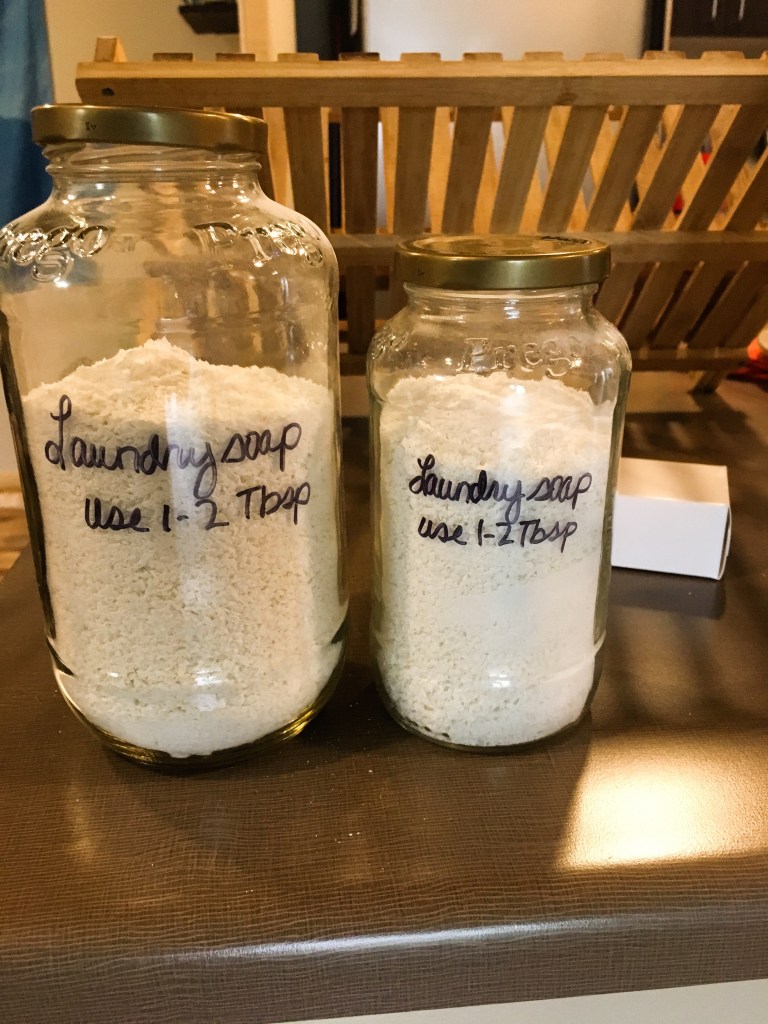
We use 2 Tbsp of homemade laundry detergent per load, coming to a cost of less than five cents. This is certainly more affordable than the eco brands of laundry soap we favored before. Many websites suggest adding essential oils to homemade laundry soap but I have found in the past that this leaves small oil spots on my clothing.
I buy ingredients that are in paper or cardboard wrapping to reduce plastics. These get recycled and have minimal environmental impact.
Drying your clothing the green way
The obviously green and affordable way to dry your clothes is on a clothesline. This can be challenging to people who live in small spaces without a lot of access to the outdoors. Our apartment complex does not allow tenants to hang laundry on the porch, a common policy among properties in my area.
Because we have newer energy-efficient appliances and live in a city where a great deal of municipal power comes from green sources, we feel comfortable with using our dryer more than we have in past homes. In addition, we live in the damp Pacific Northwest, where homes routinely have mold problems that can be exacerbated by drying clothing indoors. Although we have been trying different means of air-drying clothing inside and on our porch, nothing has worked well enough for me to recommend it as a single solution.
However, wool dryer balls have been a success. They are relatively affordable and can be easily thrown in a dryer with our damp laundry. They seem to make our clothing softer and to reduce static.
Although many sites recommend putting a few drops of essential oils in your wool dryer balls, I would advise caution. Essential oils are extremely flammable, so there is a higher risk of fire than I am comfortable with.
I miss the “fresh laundry” smell, but our laundry is clean and has a lower impact on the environment than it otherwise would. I appreciate this because we do a lot of washing and drying.
Pro tips for your zero waste laundry routine
There are other habits that can reduce the environmental impact of your laundry. These do not work for everyone but most people can make a few small changes that add up.
- Wear clothing more than once. Because we are in a pandemic, those of us who work with the public must balance this with the need to control contagion. I change my clothing the moment I walk in the door but will often wear my “home clothing” for five or more days until it either smells suspicious or looks dirty.
- Keep hooks on the back of your doors for hanging clothing you will wear again. We also hang “line dry” clothing on hangers on these hooks.
- Wash your clothing in cold water when possible. The energy to heat water comprises 90% of the energy used in laundering!
- Choose energy efficient appliances when possible.
- Wash full loads.
- Hang laundry to dry when possible. The clothing dryer is the #2 energy hog in the average home, using more electricity than any appliance except your refrigerator.
- Avoid dry cleaning, which is almost never a green option. I hand-wash and air-dry items that are dry clean only.
- Add 1 cup of vinegar to the rinse cycle of laundry with heavy smells. The vinegar smell dissipates in the wash, leaving clothing smelling fresh and neutral.
- If you really need a scent, spray clothing with homemade Febreze made of a few drops of essential oils dissolved in a cup of plain vodka.
- Skip chlorine bleach when possible. The manufacture of this product is very destructive.
Is it worth it?
Some green changes are just not feasible for the average American household. We work long hours with little paid time off and have easy access to products that are affordable even if not ideal for the environment. The path of least resistance in the United States is to consume, and more often than not to consume plastic.
Finding ways to dry laundry remains a challenge, but I am working on it. Because our apartment managers are only around to notice hanging laundry during the day, we may be able to put out a drying rack at night and bring it in before the office opens. However we will still be somewhat dependent on a dryer. In this notoriously damp climate, laundry often takes 24+ hours to air-dry even in the summer.
However, making your own laundry soap and otherwise taking steps to greenify your laundry is manageable for us. It saves money and reduces trash with very little effort. For us, this was merely a matter of changing our habits and rethinking our defaults. We are actually saving money by using homemade products, making this an all-around win.
 KidsCatsandFlannel
Wow! It’s nice to have this. Thank you 😊
LikeLike