
We each have our special gifts. Not to brag, but I am really good at snacking. Even with three full meals in my stomach, I can find room for a supersized bowl of popcorn as well as a variety of sweets and baked goods. What can I say? I have a rare talent.
If you are exploring zero waste living, food is a logical place to start. Food generates a lot of trash that is easy for most people to reduce or eliminate simple by changing our default choices to ones with zero plastic. Snacks are perhaps the easiest subset of food to modify for a zero waste home – and yet many of us still reach for a plastic package when we feel the need to nosh.
It’s easy to see the appeal. We recently moved to another state, which meant, for a season, that we relied more on packaged snacks than we usually do. Although my children love filling a Costco cart with crates of individually wrapped goodies, there are several drawbacks:
- Wrappers are bad for the environment and usually not easily recycled
- Processed snacks are often foods of poor nutritional value, which already comprise 45% of American grocery store purchases
- Processed foods sometimes have questionable ingredients, even the “natural” and “organic” brands
- They are ridiculously expensive
- Commercial snacks are oddly addictive, enticing my family to snarfle down endless quantities instead of eating a reasonable serving
A lot of zero waste living websites recommend that we solve this issue by eating fruits and vegetables as a snack instead. While this is a healthy and ecofriendly option, it is not the right answer when I am craving salt and crunch. We do eat a lot of fruit and veg but we also eat a lot of other snacks. Not only are they more satisfying, but thing and active children like mine actually need the fat, calories, and nutrition of a heartier snack.
Once we settled into our new home, it was time to break the package habit and make some healthy snacks. The list below is our general snack plan. Keep in mind that we are a large household so we can definitely eat a lot of food, making this much weekly preparation worthwhile. Your mileage may vary.
Meal planning for snackers
When I plan our snacks, I try to hit a few categories. First, I choose a salty and crunchy snack which can be sent in lunches or grabbed on the go. Second, I make something sweet (but healthy) for the sugar lovers in my house. This also becomes an option for breakfast and/or dessert. I usually plan for at least one beverage, either hot or cold depending on the season. Last, I make sure one of our options is seasonal – like a pumpkin spice treat in the autumn months or a cold frozen one in summer. I make enough for several days or even a week at one time so I don’t have to spend my life in the kitchen.
I try to plan mainly healthy and plastic free snacks. I am not always perfect but I’m getting better.
1. Snacks with salt and crunch
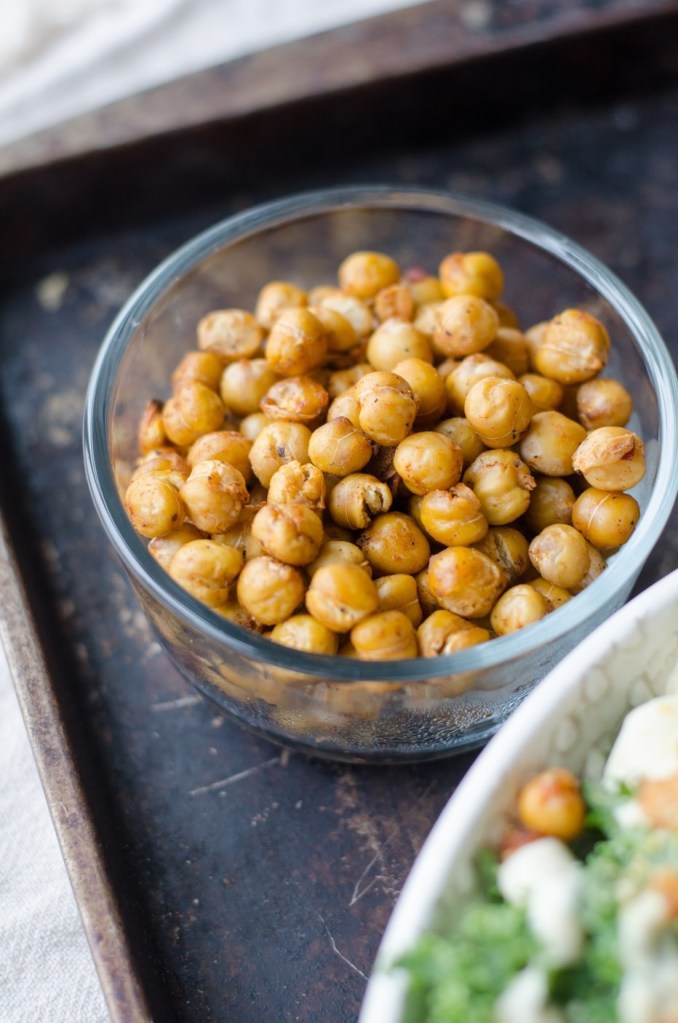
Salty, savory, crunchy snacks are my favorite. I crave them late at night but also like to send them in lunches or bring them in the car. You can buy salty snacks like nuts or pretzels in bulk bins in addition to the raw ingredients for zero waste crackers, popcorn, and more. Every week I try to make at least one of the following:
- popcorn with sea salt and nooch, or another zero waste popcorn option
- roasted chickpeas (we recommend sprinkling with one of the Trader Joe’s seasoning blends such as chile lime or everything but the elote
- home-baked kale chips
- homemade crackers with lots of seeds and seasonings
- homemade or bulk zero waste chips and crackers with hummus, guacamole, or other dips
You can store all of these in a silicone bag or other reusable container so zero plastic will be needed for these delicious snacks. Most will keep for up to a week, although they never last that long in my house.
2. Get your bake on

As much as I love all things salty and crunchy, my children prefer sweet snacks and baked goods to munch on. I whip up a big batch of healthier sweets so we can enjoy them not just for desserts and snacks but for breakfast and in lunches. The healthy sweet snacks we prefer include:
- sweet potato brownies
- zucchini, pumpkin, or banana breads and muffins
- homemade biscotti or cookies with nuts, flaxseeds, and dried fruit to add nutrition
- home-dried fruit or fruit leather
Baked goods usually freeze beautifully so you can make huge batches and then pull them out as needed. I also freeze cookie dough to be thawed and baked at my convenience. If you have a separate freezer, there is no reason to ever be without home-baked treats. We don’t have one but we still make it work.
Although these are nutrient dense, keep in mind that they are still rich in calories or sugar. Zero waste does not always mean zero waist.
3. Discover zero waste beverages

I was shocked to read that Americans spend more than seven percent of their grocery budget on sweetened beverages. In fact, we spend more on soda pop than on any other item. You can make a large impact on your food budget as well as reducing your environmental impact simply by finding alternatives to store-bought beverages.
Tap water is the healthiest and most eco-friendly choice in most areas. However most people enjoy flavor and variety. If you have a pitcher of something delicious nearby, you’ll be less likely to reach for a soda or other beverage in a plastic bottle. I plan to have a variety of healthier flavored drinks so we don’t feel the need to stop for sweet store-bought beverages.
There are so many low waste and healthier options for beverages, including:
- Iced or hot herbal teas, with or without fruit. My children like teas made from mint or hibiscus which have natural sweetness and no caffeine
- Filtered water infused with berries, fruit, cucumber, and/or herbs
- Homemade smoothies or juices with spirulina and other high nutrition additions
- Homemade kombucha with your favorite add-ins
- Coconut water – look for eco friendly packaging
- Homemade regular or Mexican hot chocolate, especially with an extra spin like pumpkin spice, chocolate mint, or salted caramel
- For adults, cold brew coffee with a seasonal homemade creamer
When we visit town to shop, we stop by a store with bulk bins to grab powdered mixes for horchata, cocoa, and other drinks. These add variety to our rotation of homemade drinks so we don’t feel bored or deprived.
4. Snacking with the seasons
Popular grocery brands lure us into snacking by offering variety, ease, and fun seasonal choices. While this may not be as important to some of my readers, it is very important to me to enjoy seasonal flavors in my snacks.
Every season has a flavor profile. We associate berries and hard boiled Easter eggs with spring; herbal flavors and icy treats with summer; pumpkin spice and apple everything with autumn; and heavy dark tastes such as chocolate and gingerbread with winter.
I include seasonal snacks in our rotation when possible. It’s easy to throw together some berry and yogurt popsicles when the weather is warm or a little caramel popcorn and cocoa when it’s chilly out. I also incorporate seasonal flavors into the snacks I discussed earlier in this post. For instance, in the fall I might make roasted pumpkin seeds as a salty crunchy snack and apple cinnamon muffins as a baked good.
Local seasonal produce is usually cheaper and better for the environment. You can feel great about eating all of the plastic free snacks you can churn out when there is zero food waste.
What about storage?
I prepare much of our food on the weekend, including snacks. As a result, I have had to devise ways to store the products of my weekend meal prep without using disposable plastic.
My zero waste crackers and other crunchy shelf-stable treats are stored in mason jars that are kept on our kitchen shelves. Baked goods are either wrapped in beeswax cloth and kept on the counter or placed in an airtight silicone bag for a short stint in the freezer.
Figuring out lower waste ways to store food is an important part of keeping a zero waste home. You can read more about how I store food without disposable plastic in my recent article on zero waste food storage.
Low waste snacks are healthier, greener, and often more affordable than the commercial alternatives. Once you make snack prep part of your routine, it’s usually an easy change to sustain.
 KidsCatsandFlannel