Raising chickens makes a house a home, a garden a farm. This was the argument that I made to my reluctant partner just over a year ago. Even without the specter of butchering – we planned to raise chickens for eggs only – she was concerned they would be more complicated than I projected and turn into a money and time sink. Despite the validity of these concerns, we decided to delve into chicken husbandry and soon walked out of the local Tractor Supply with a peeping box of baby birds.
I have had chickens throughout most of my life, taking a break when adult life became complicated and forced me to live for a while in urban areas. Nonetheless, this was the first time that I started from scratch – no pun intended – raising the babies and creating the habitat myself. Although I would never go back to my sad chicken-free existence of yore, I wish I had more seriously considered the following points.
1. Creating a safe habitat is an investment
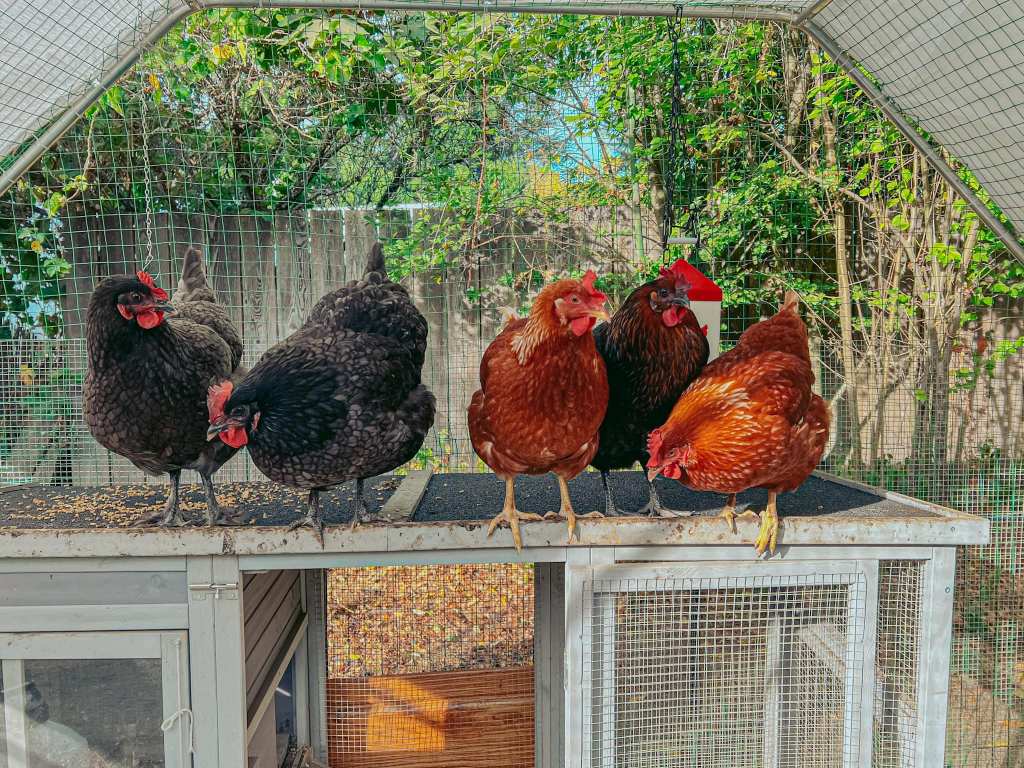
As with all homesteading projects, the amount of financial outlay was surprising to me as someone who has always raised chickens in existing coops with large shelters that close and lock for nighttime protection. If you do not already have this set up, you will need to invest in something new which will quickly fly past your budget limits and take up entire weekends. Initially we bought one of the fully enclosed habitats on Amazon. However, it soon became clear that this was not enough room for chickens during the day and that it was additionally not sturdy enough to be safe from predators at night. We then used a small dog run that was outgrown almost as soon as we constructed it. We now have a large covered carport we affectionately call Fort Bawks, with plenty of space and a metal mesh apron dug down into the surrounding earth. We still have our original chicken coop inside this, as the ladies prefer tight quarters at night.
2. Feed can be as expensive or as cheap as you want it to be
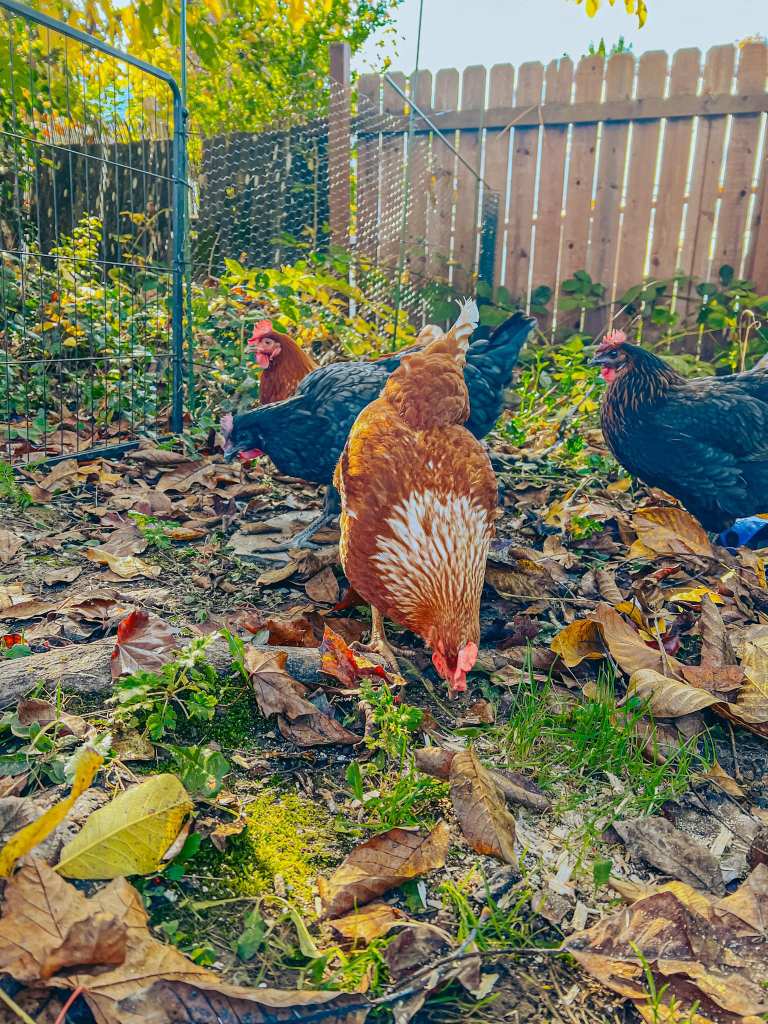
Although chickens are sometimes not a cheap endeavor, the food is surprisingly affordable. I thought we would spend a small fortune on special foods as this has turned out to be the case for many of our other animals. Instead, the cheapest foods seem to be the healthiest for our girls. Our chickens live on the cheapest bulk feed we can find at our local Tractor Supply with heavy supplementation from kitchen scraps. We also forage for wild leaves and fruit to round out their diet. If your chickens have enough space, bugs and worms will be a substantial part of their calories. You definitely can spend a lot of money on bougie local organic grain but our ladies lay an egg a day each starting at just a few months of age on our bargain basement feed plan.
3. Fresh eggs are an increasingly valuable commodity
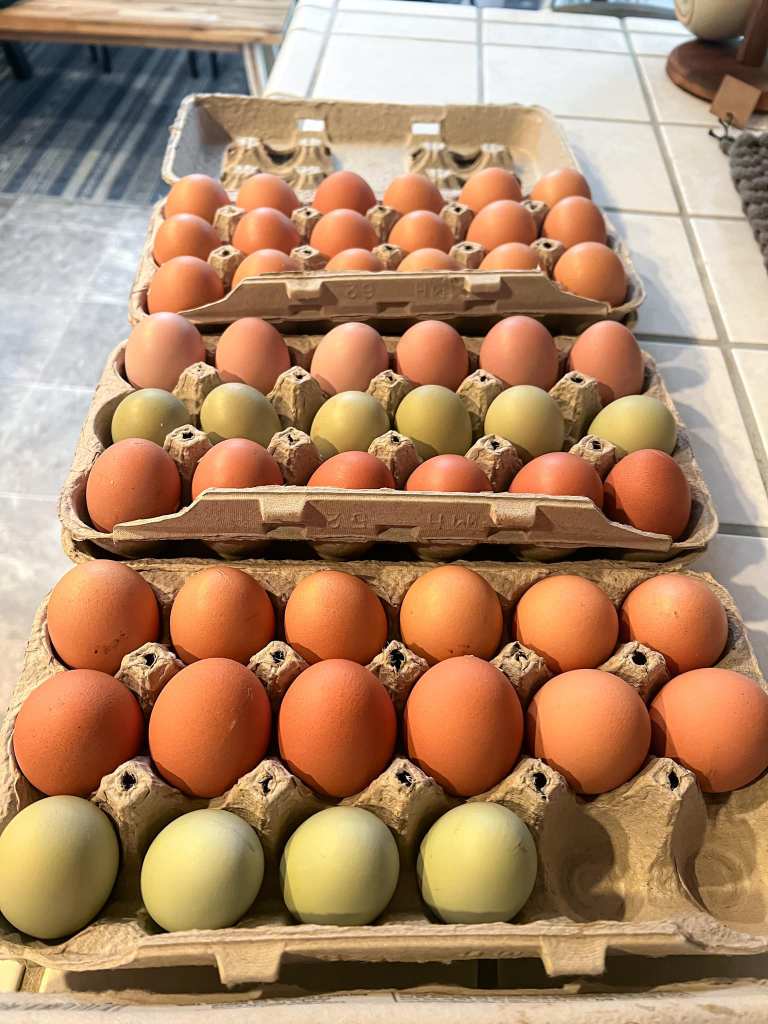
Maybe it is just our area, a rural community where many of our neighbors and coworkers have developed a taste for fresh eggs. Perhaps it is the fact that the lowest quality eggs on supermarket shelves cost up to $6 a dozen right now. I have found that eggs are a valuable commodity, a powerful bartering tool, and an appreciated gift for neighbors and coworkers. We may start selling them soon, but in the meantime we trade them for items we value such as homemade baked goods and exotic vegetables – in addition to eating dozens every week ourselves.
4. Heirloom breeds rock
The homely yet personable production hybrids are the majority at our local stores and are generally the most affordable chicks. Despite their ubiquity and affordability, I do not recommend them and never plan to purchase them again. Our experience is that they are more prone to illness and have more reproductive issues than similar heirloom breeds without any perceivable benefit. If you want a solid egg producer with a winning personality, I recommend Buff Orpingtons and other heirloom breeds.
5. The emotional attachment is real
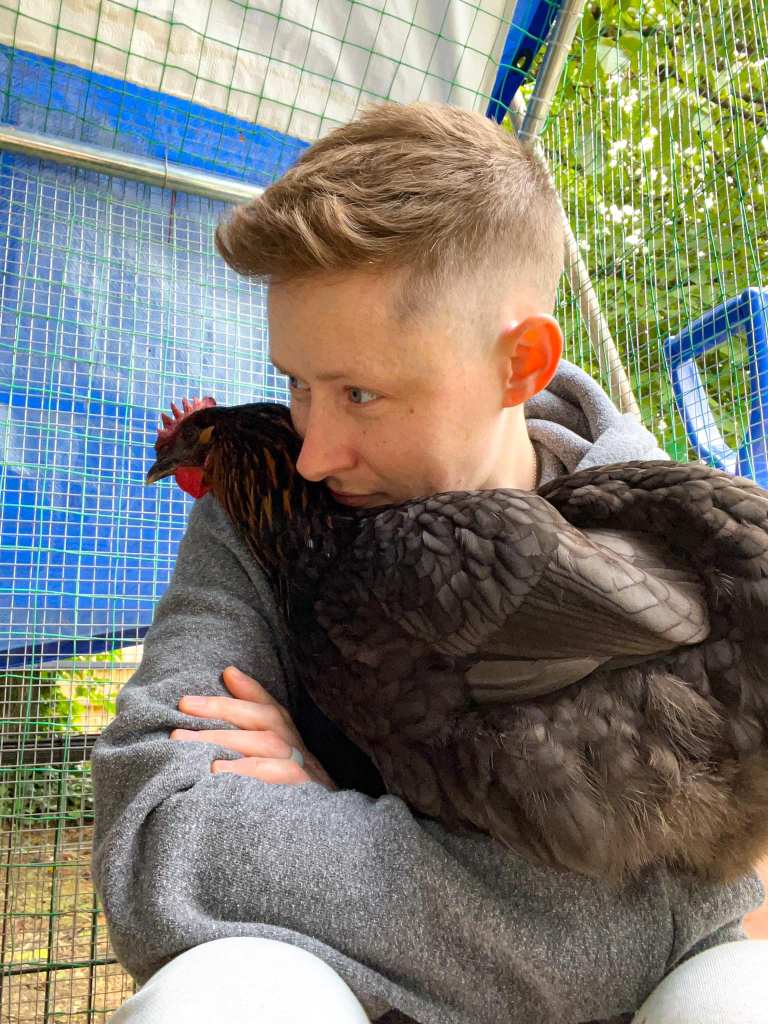
As I write this, we are currently providing palliative care in our sunroom for Amelia Egghart, a production hybrid with an abdominal tumor that is probably malignant. We are keeping her comfortable but her care has been an expensive and time-consuming ordeal. Nonetheless, we are happy to invest resources in a chicken who will never offer us anything because we can and because we just love her so much. This attachment is one that could be surprising to people who are new to raising poultry. Despite my best attempts at impartiality, I have always had chickens and turkeys to whom I was attached, even when we were raising them for meat and purposely avoiding these kinds of feelings. If you plan to raise poultry for meat, you should consider whether you have the personality and detachment for it. I most certainly do not.
Our chicken journey has involved a lot of trial and error but we now have a stable flock producing a basket of eggs every day with comparatively little effort from us. In addition to saving money on ever-more expensive eggs, we have great relationships with all of our chickens and the food security of a stable protein source in our own backyard. It’s been a long strange trip, but one I would happily do again.

